Errant Intelligence: A Conversation with Clemens Apprich
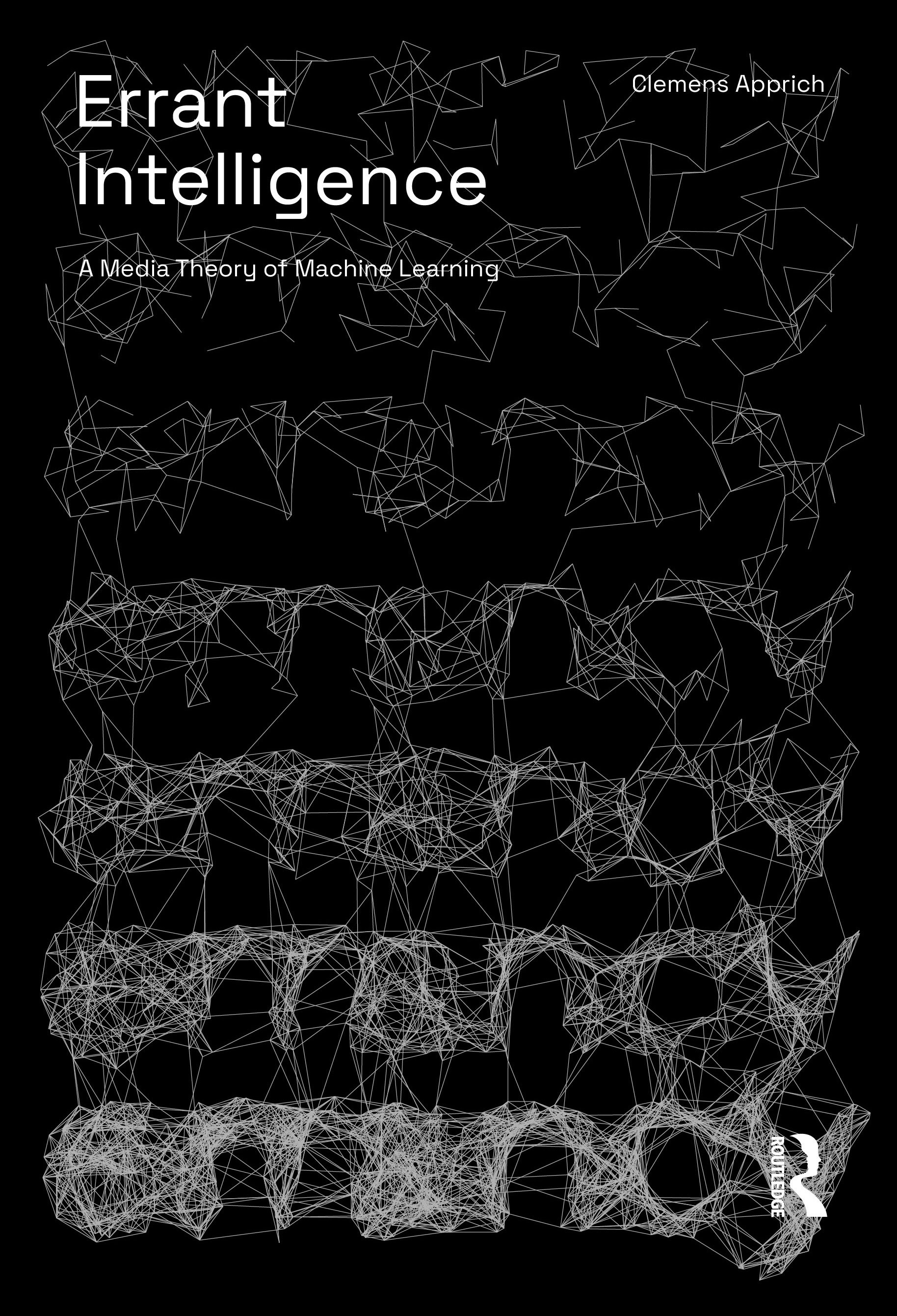
forthcoming Fall 2026
In this MAST Open Channel conversation, media theorist Clemens Apprich joins MAST editor Maryam Muliaee to discuss his new book, Errant Intelligence: A Media Theory of Machine Learning (Routledge, 2026).
Publisher's page: Routledge
Open-access edition:
DOI: 10.4324/9781003690146
About MAST Open Channel
MAST Open Channel is a curated editorial series featuring artists, filmmakers, scholars, writers, curators, and practitioners working across media, art, science, and technology. Open Channel conversations are published in video, audio, and edited textual formats and are assigned permanent digital object identifiers.
About the Guest
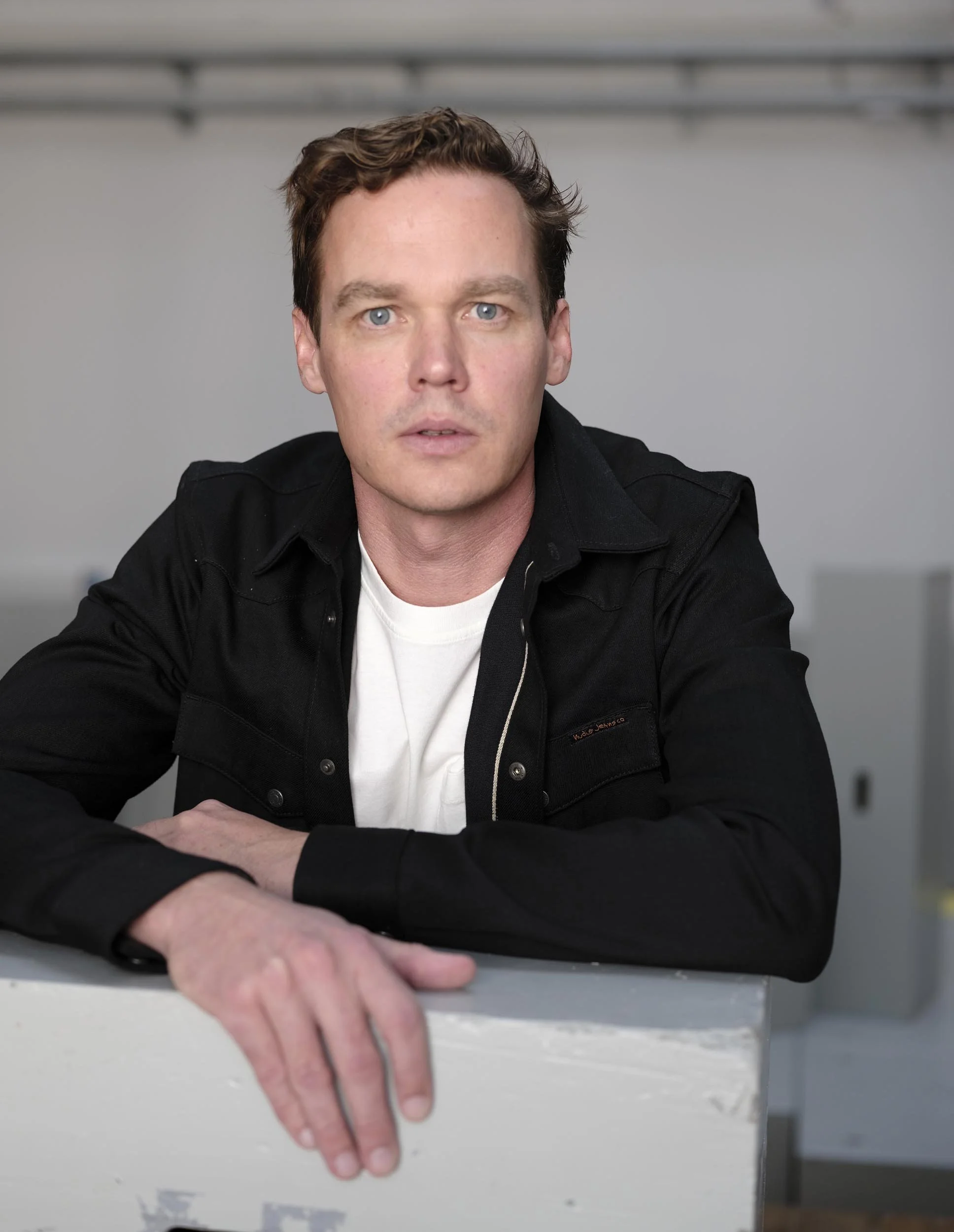
Dr. Clemens Apprich has been Professor of Media Theory and History at the University of Applied Arts Vienna since 2021. He is Head of the Department of Media Theory, Director of the Weibel Institute for Digital Cultures, and also serves as Vice-Rector for Science, Research, and Digitality. He became a research associate at the Centre for Digital Cultures (CDC) at Leuphana University of Lüneburg in 2011, and was appointed a guest professor there from 2017 to 2018. From 2018 to 2019, he was a visiting research fellow at the Mel Hoppenheim School of Cinema at Concordia University in Montréal. From 2020 to 2021, he was an Assistant Professor of Media Studies at the University of Groningen. He is the author of Technotopia: A Media Genealogy of Net Cultures (2017), and co-author of Pattern Discrimination (2019). His new book, Errant Intelligence: A Media Theory of Machine Learning (2026), is published by Routledge. Image credit: Maria Ziegelböck.
About the Host
Dr. Maryam Muliaee is a media artist-scholar, and the co-founding editor of MAST: The Journal of Media Art Study and Theory. For the past sixteen years, she has developed research-based art grounded in archival research, community storytelling, interviews and sustained collaboration with nonprofit, cultural, advocacy, and mission-driven organizations in the United States and internationally. She is the editor of Media Thinking: Theory by Other Means (forthcoming from Bloomsbury’s Thinking Media series, 2027). Her research has appeared in peer-reviewed journals, museum publications including Les Cahiers du Musée national d’art moderne (Centre Pompidou), and edited volumes published by major academic presses. Her creative practice spans video art, sound installation, experimental animation, and locative media, which has been funded, screened, and exhibited internationally since 2006.
